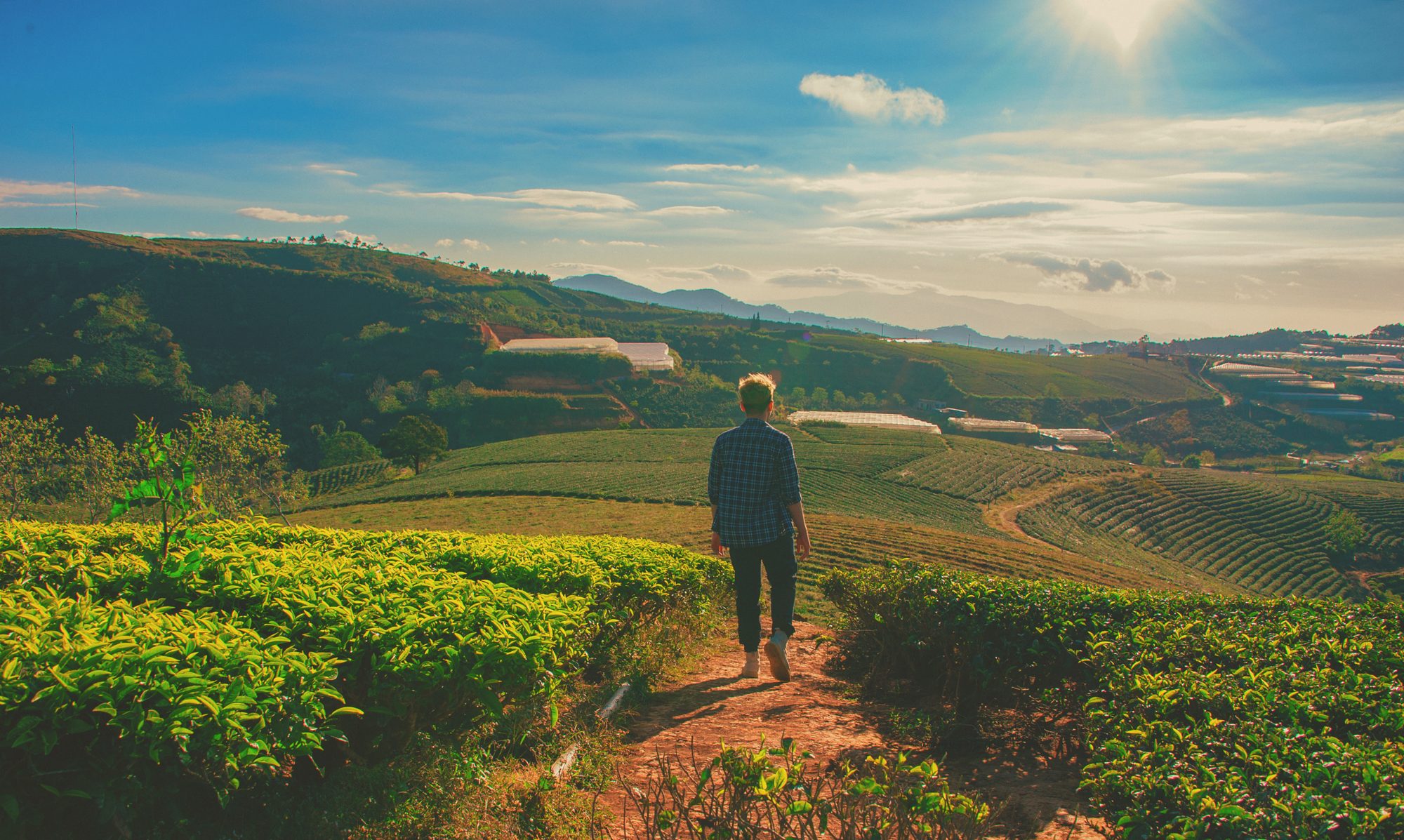
Paulownia reforestation · The Gambia
Empowering
sustainable
communities.
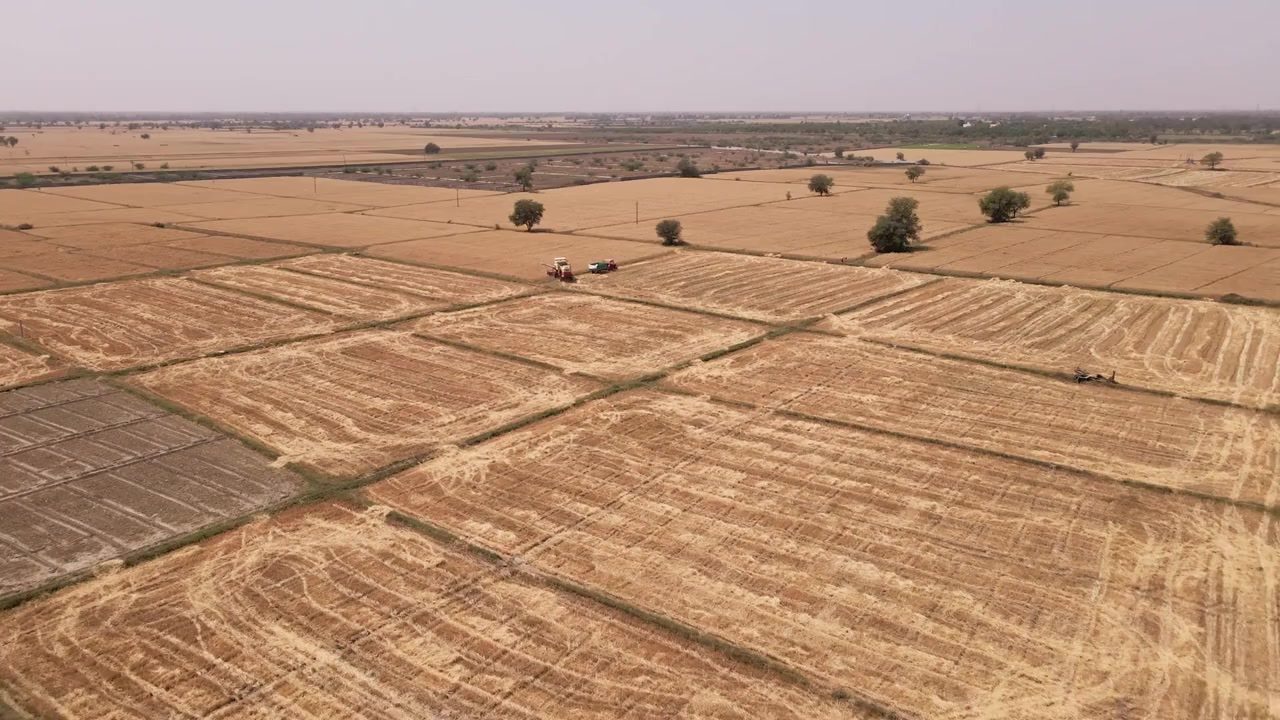
We are planting 70 million fast-growing trees across degraded Gambian forest land — restoring the soil, sequestering carbon, and building livelihoods that outlast a single harvest.
- 42,000
- hectares
- 70M
- trees
- 50,000+
- livelihoods
- 18%
- IRR
There is no reason improved living standards and a protected environment cannot go hand in hand. That belief is the whole of Greener Africa.
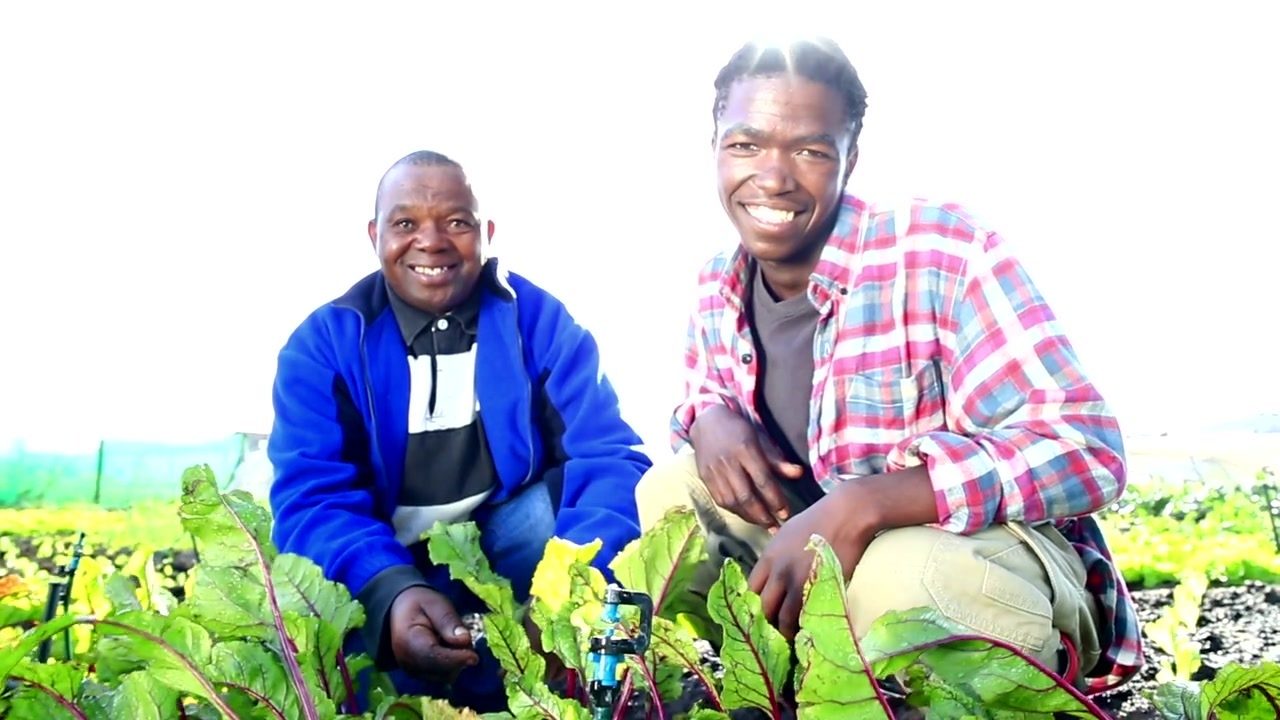
We think big, then take it ultra-local — tailoring solutions to specific regions and communities, working hand in hand with the people who know the land best, testing before we scale.
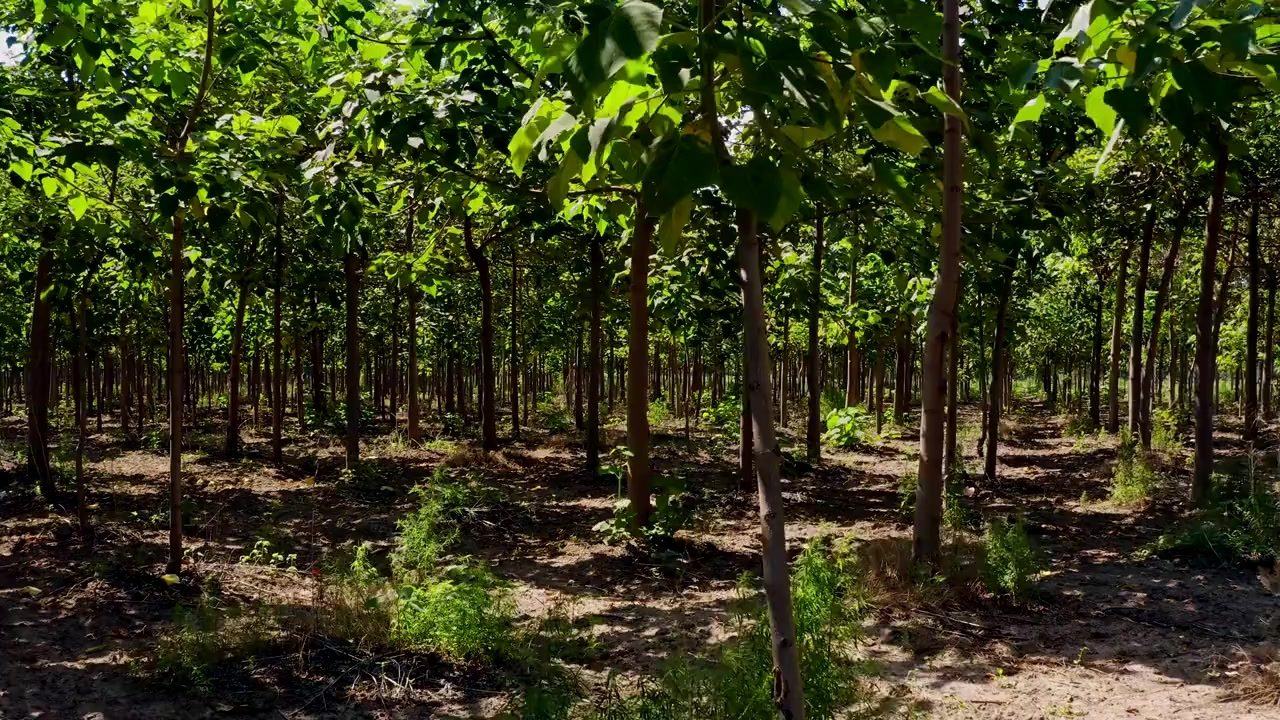
Greener Africa unites NGOs, government agencies, private enterprise and local communities in a single consortium. In The Gambia, that model is planting paulownia — a species that matures in five to seven years where conventional timber takes twenty — to fuel industry and create jobs without destroying the natural beauty of the land.
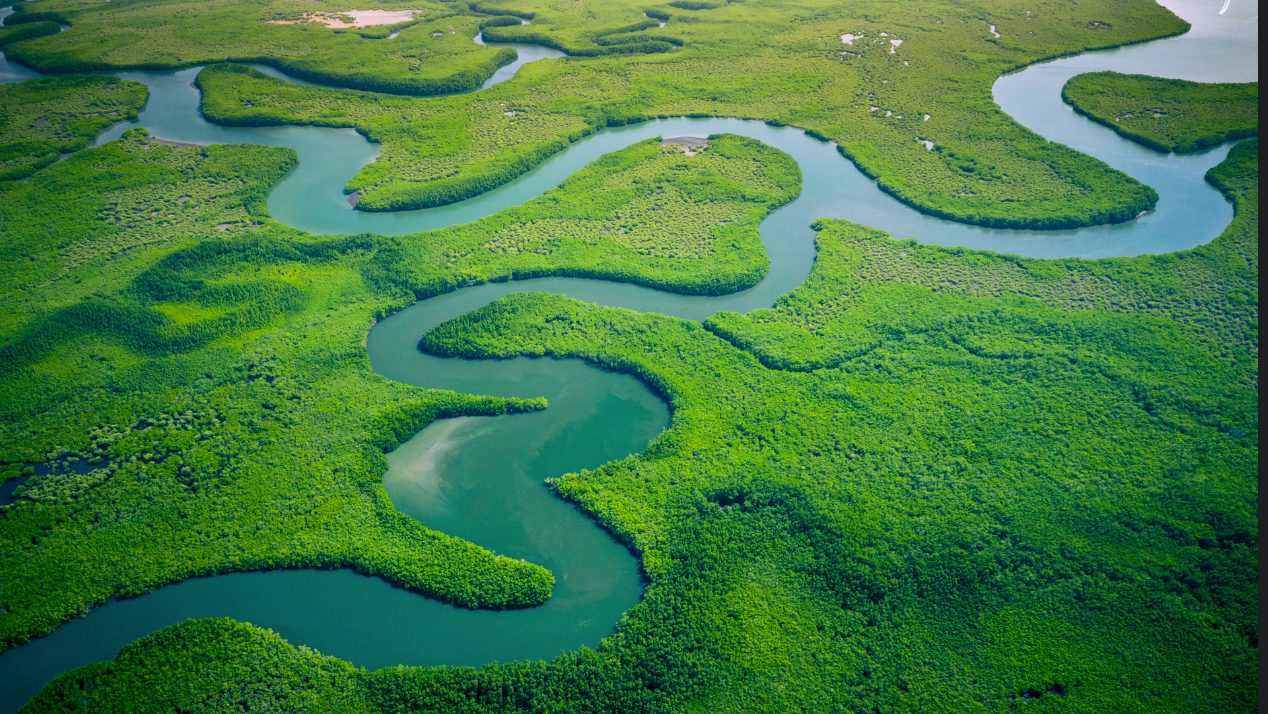
The opportunity
One tree does the work
of a generation.
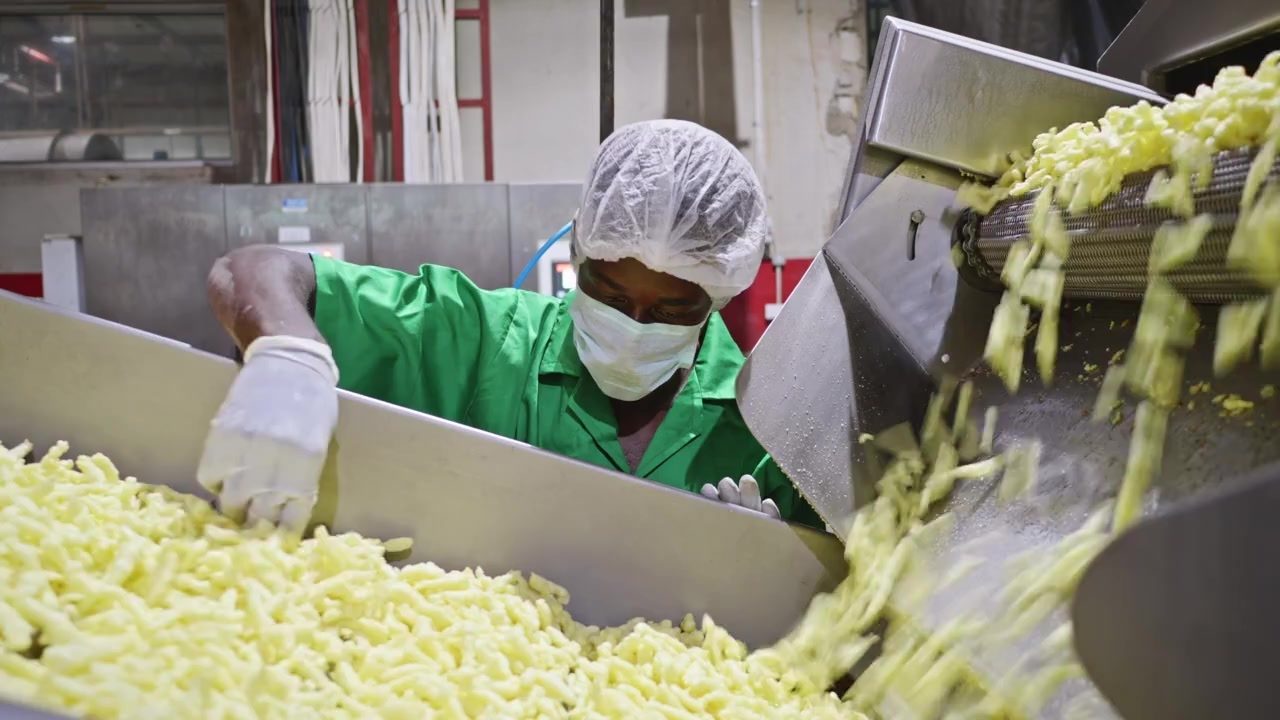
Paulownia grows five metres in its first year, coppices after every harvest, and yields timber worth milling. It is the fastest route from degraded ground to standing forest.
- Five metres in year one
- Conventional species manage 20–30 centimetres. Paulownia reaches harvestable maturity in five to seven years against twenty or more.
- It grows back
- Vigorous coppicing from the cut stump gives four harvest rotations from a single planting — no replanting cost, no re-establishment year.
- Timber worth milling
- Straight-grained, light but strong, dimensionally stable and decay resistant. Furniture, millwork, veneer, mouldings, instruments.
- A canopy you can farm under
- Light shade and heavy leaf fall make alley cropping viable — maize, cassava, groundnuts, spices — so land earns from year one.
Fig. 1 — Height at year, metres
Fig. 2 — Planting geometry · 3m × 2m · 1,666 / ha
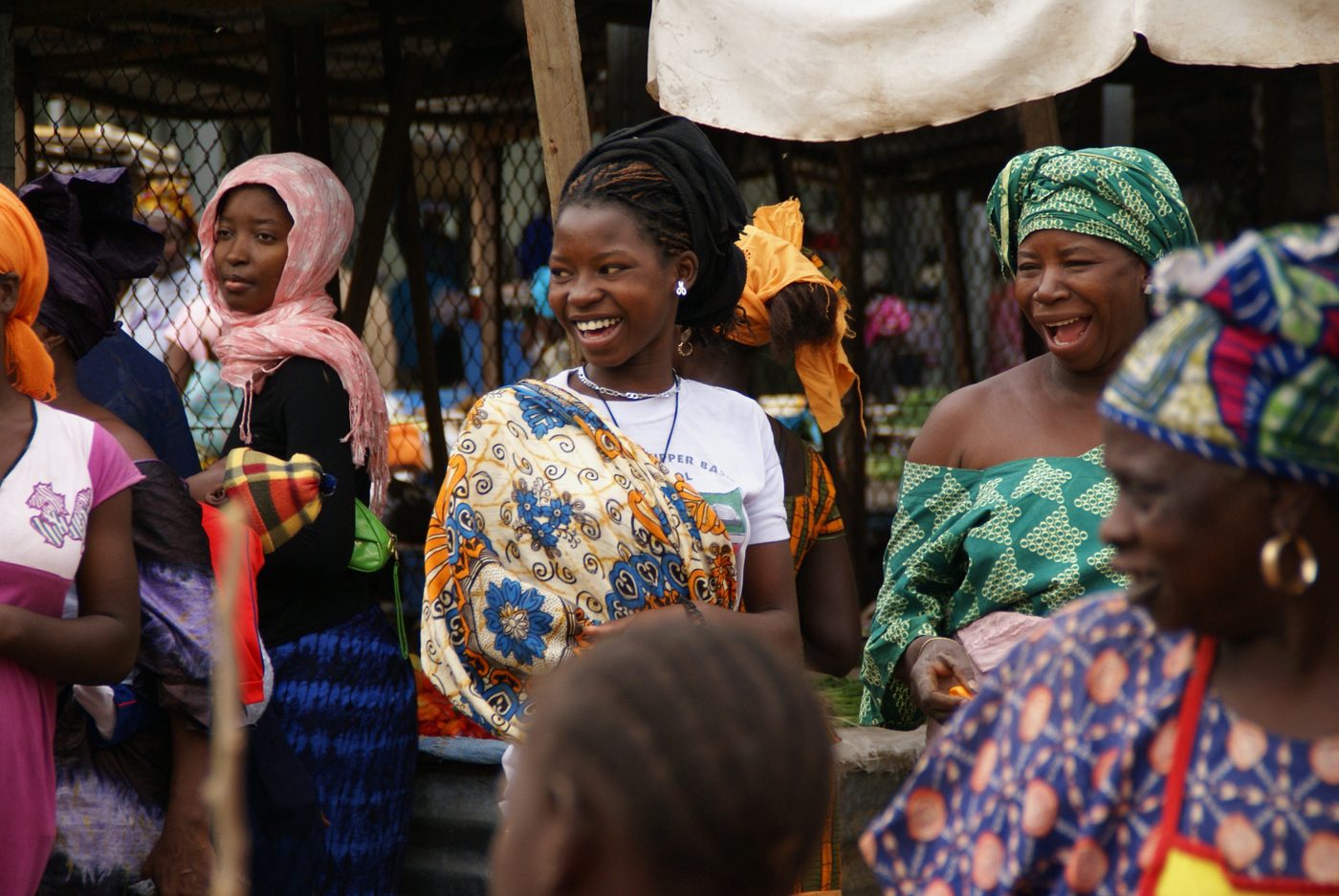
This project will provide jobs for our youth and restore our degraded lands. Greener Africa has involved our community from the start — we support them fully.
Government
- Ministry of Environment, Climate Change and Natural Resources
- Forestry Department
- National Agricultural Research Institute
Industry
- Timber Exporters Association
- Timber Association of The Gambia
- Regional distributors and manufacturers
Community
- Local Community Forest Associations
- Women's cooperatives
- Outgrower smallholders
Knowledge
- University of The Gambia
- World Agroforestry (ICRAF)
- CIFOR
The next best time is now
The best time to plant a tree was twenty years ago.
Whether you invest, partner, or simply want to understand what we are building — the door is open.